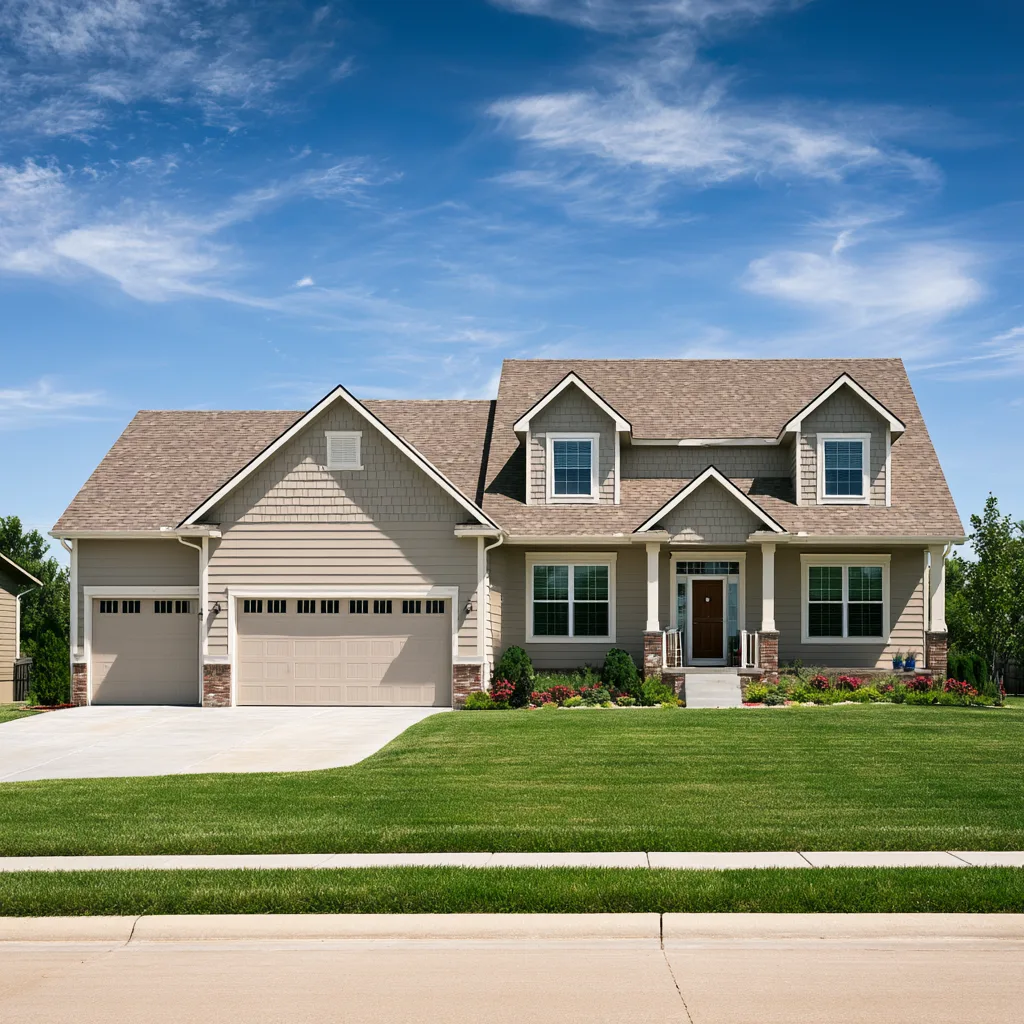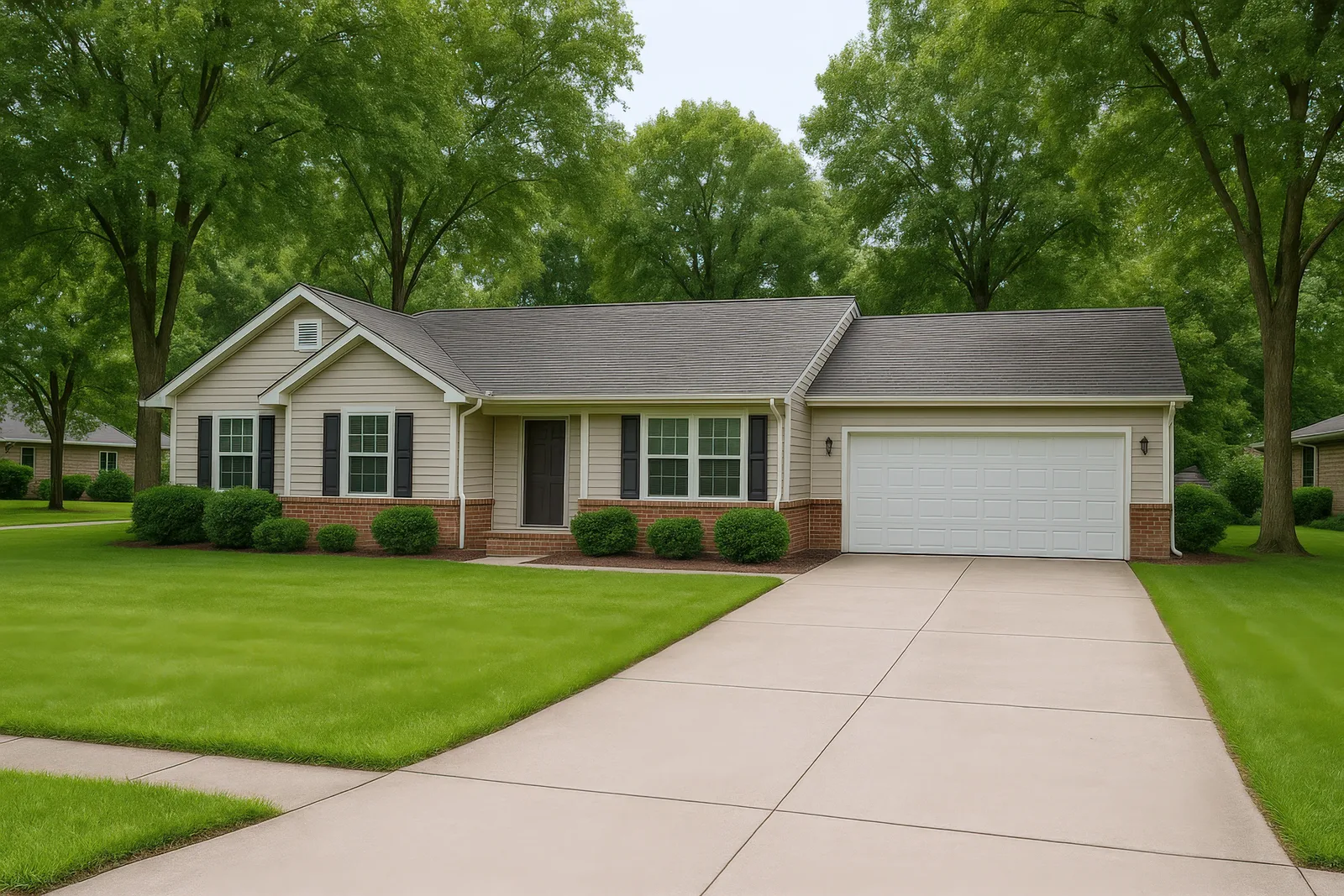
Shingle Options for Centerton Roofs
Compare common shingle profiles and understand what their labels can tell you. The useful choice fits the roof slope, the surrounding details and the work being planned.
Choose the covering after understanding the roof
Shingle choice is easier once you know whether the project is a contained repair or a new roof. A repair has to fit the material that remains. A replacement allows a wider choice of profile and color, but the slope and roof system still set limits.
The comparisons below explain the main appearance categories and the questions behind impact, wind and warranty labels. They are a starting point for choosing an actual product with its own installation instructions and written terms.
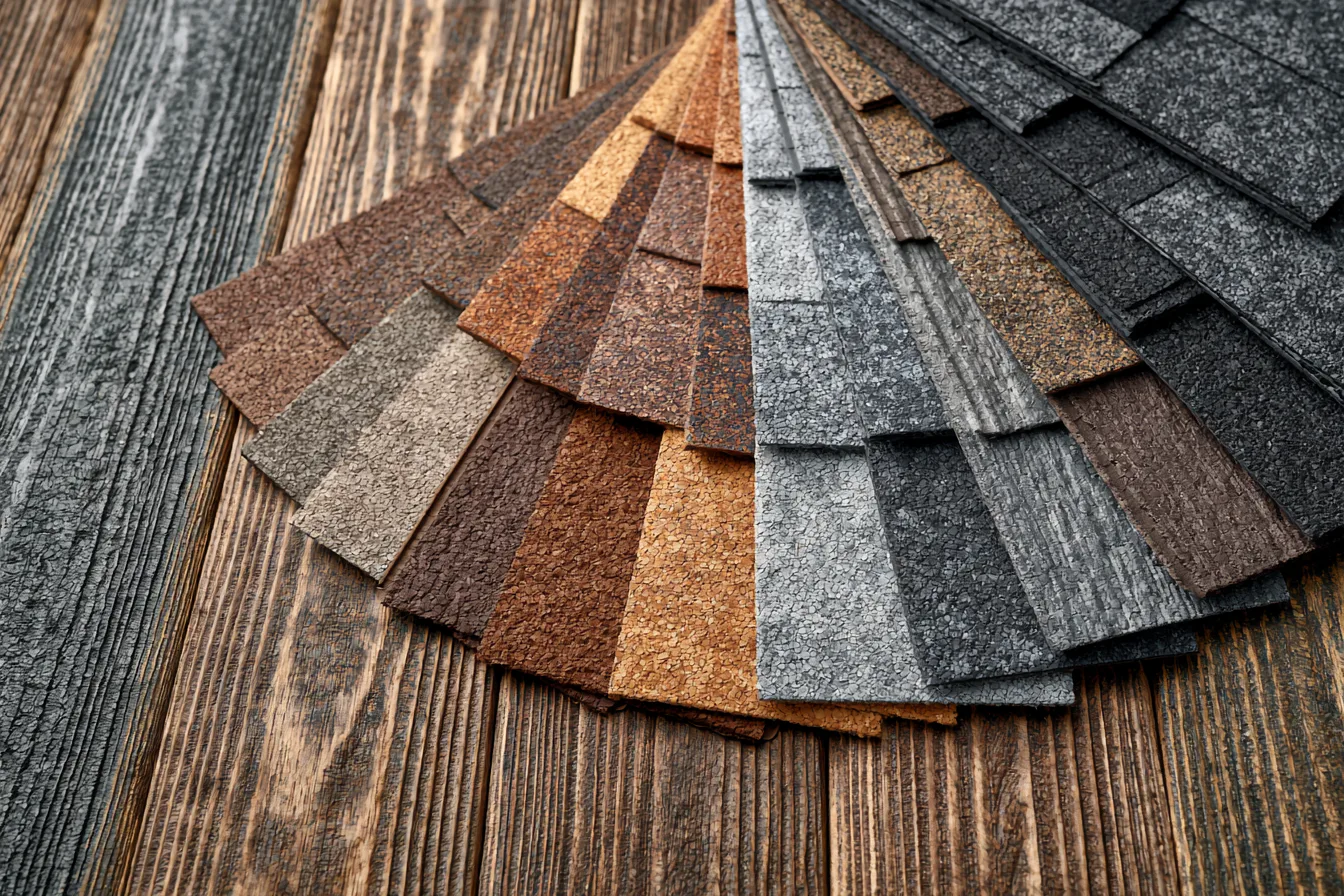
Explore the main shingle choices
Choose a profile to compare its appearance and project considerations. Photographs illustrate a category; a specific product’s label and documentation establish its specifications.
Architectural
Laminated layers create a varied profile and shadow pattern. This is a common starting point for replacement discussions, but products differ in dimensions, construction and coverage.
For a repair, the new piece still needs to fit the existing courses and fastening arrangement. A similar color does not establish product compatibility.
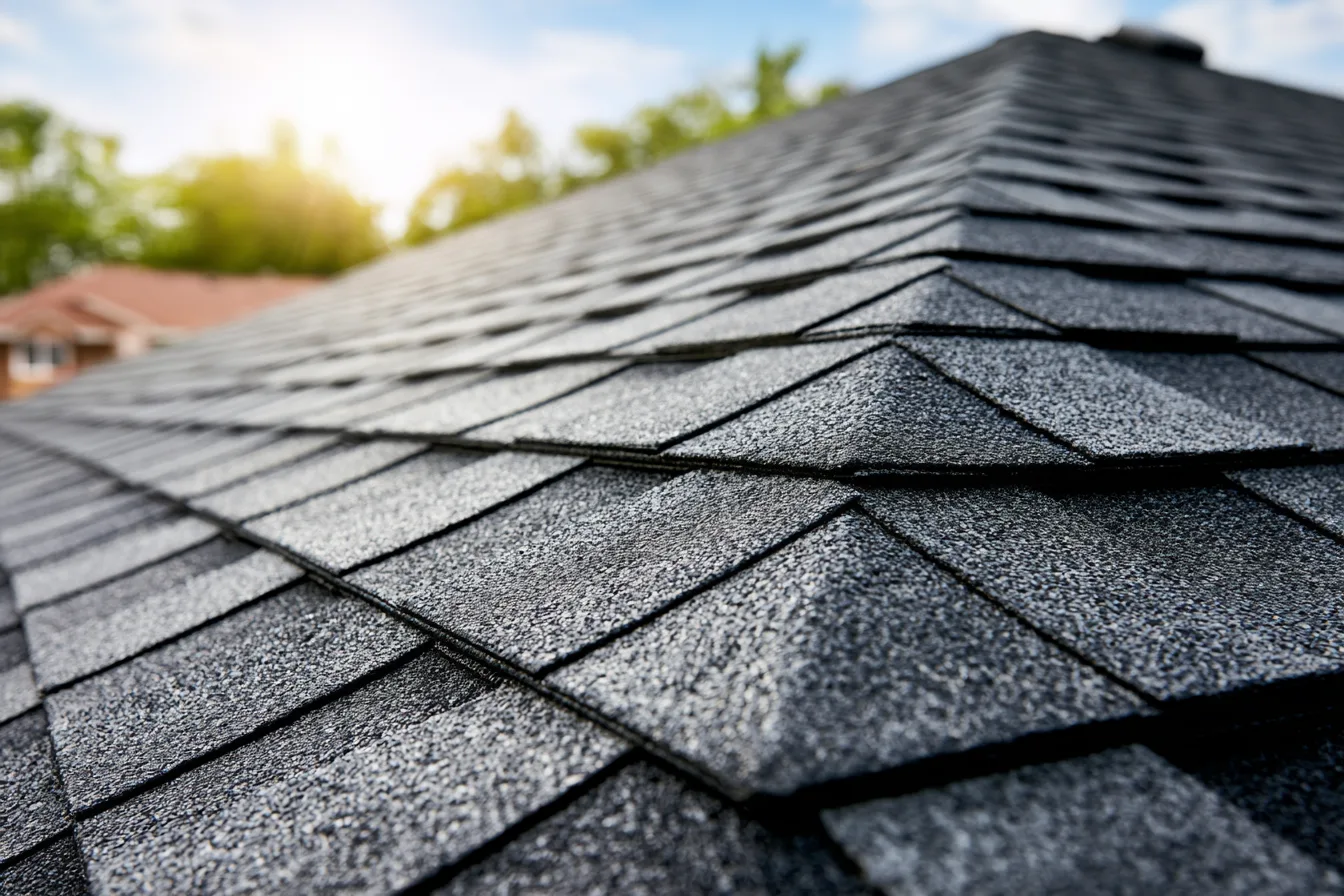
Three-tab
Regular cutouts produce a flatter, more uniform pattern. On a roof with this covering, a local repair needs a compatible size and exposure as well as workable surrounding shingles.
If replacement is planned, compare the complete new system and any applicable material requirements. Moving to a different profile is a project choice, not an automatic substitute within an old repair.
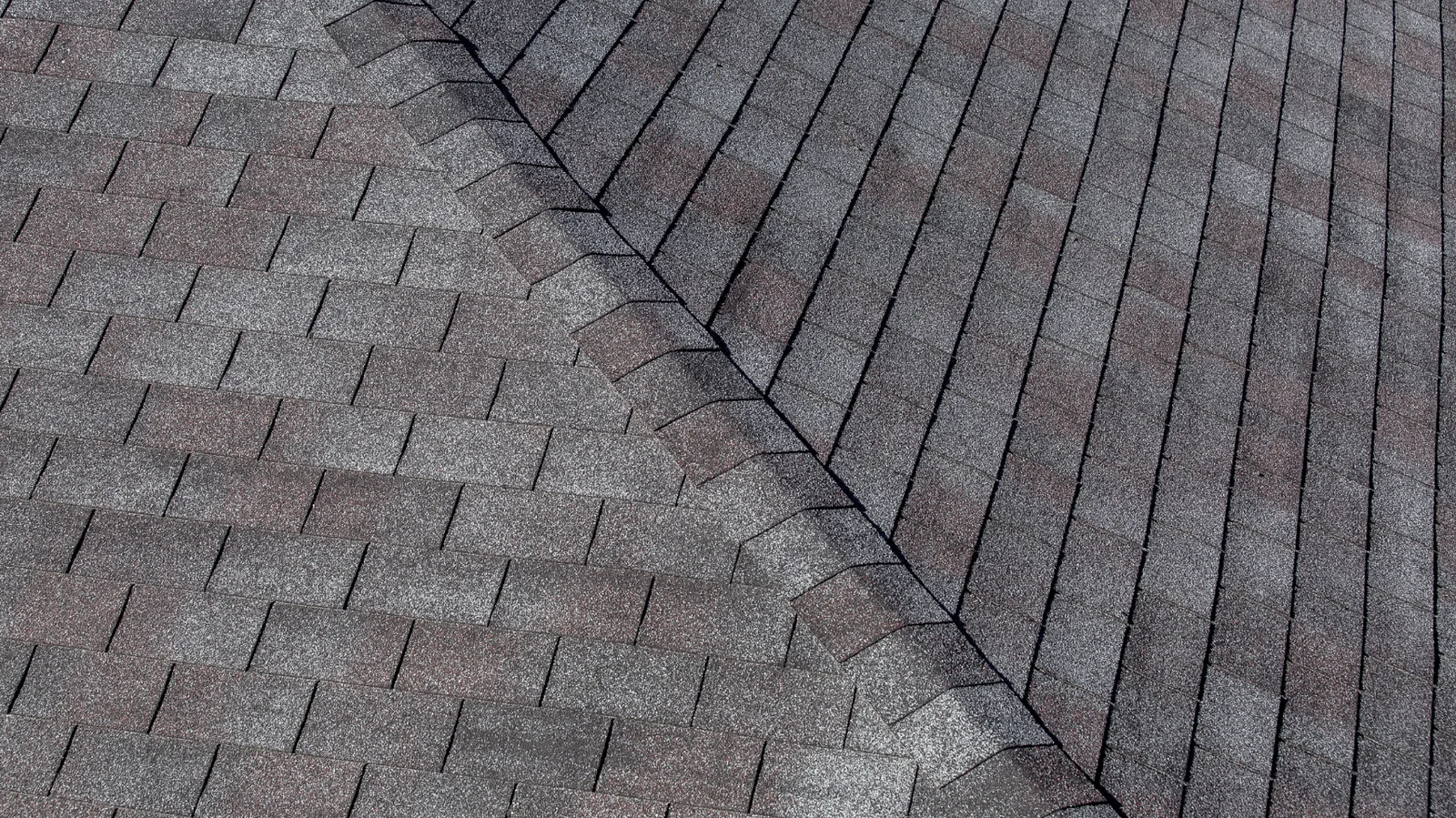
Designer profiles
Distinct shapes and deeper patterns can create a more pronounced roof appearance. The selected product’s dimensions, weight and installation details need to suit the project.
Consider the profile with the full house and roof geometry. A small sample shows texture and color, while large planes, ridges and valleys determine how the finished pattern reads.

The shingle label is only part of the roof
Match the shingle to the work around it
The shingle has to work with the roof below and around it.
A suitable slope
Asphalt shingles need an appropriate roof slope and the manufacturer’s required underlayment arrangement. A low-slope porch or addition may need a different covering instead of extending shingles across it.
Complete roof details
Starter courses, edges, pipe and wall flashing, underlayment and ridge details all contribute to water protection. Selecting a premium shingle does not renew a failed connection by itself.
The property’s actual requirements
Any applicable private material requirements belong in the choice before ordering. A dated neighborhood record must be matched to the correct lot and current documents, rather than treated as a citywide rule.
Shingle options FAQs
Can I tell an impact rating from a roof photograph?
No. The product’s documented rating establishes that information. An ordinary shingle photograph is useful for appearance, not proof of a test classification.
Will impact-resistant shingles prevent all hail damage?
No. Laboratory ratings help compare performance under defined conditions. Hail characteristics, roof condition and the full assembly affect real damage; a classification does not establish insurance coverage.
Can I change shingle style during a small repair?
A repair needs compatible material and correct connections to the existing roof. A different profile may not fit the surrounding courses. A full replacement offers more flexibility, subject to the roof and applicable requirements.
Is the most expensive shingle always the right one?
No. The right choice depends on the roof, desired appearance, documented product features and complete project scope. The underlying details still need to be done correctly.